Drug Addiction
Drug Addiction
Understanding the signs, risks, and pathways toward recovery.
Learn when substance use becomes a problem and when to seek help.
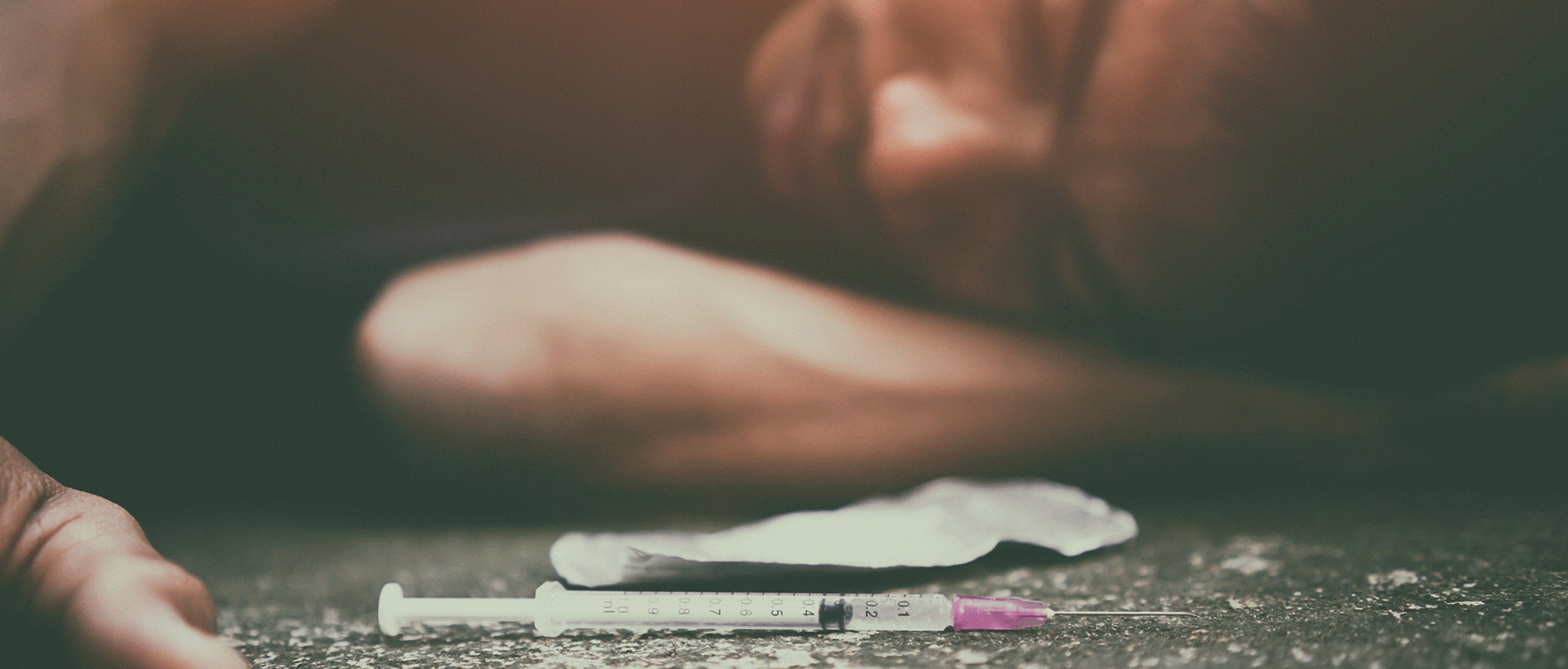
UNDERSTANDING ADDICTION
Drug addiction: what you need to know
01 What is drug addiction?
Drug addiction is a chronic condition that affects both the brain and behaviour, making it difficult to stop using substances despite harmful consequences. It often develops over time, gradually impacting a person’s ability to function, make decisions, and maintain control.
02 What are the signs of drug addiction?
Signs can vary, but often include changes in behaviour, withdrawal from family or responsibilities, mood swings, secrecy, and continued use despite negative consequences. Physical signs may also appear, depending on the substance being used.
03 Can someone recover from addiction?
Yes. With the right support, structure, and environment, recovery is possible. Addiction is not a lack of willpower — it requires consistent care, accountability, and a space that supports long-term change.
04 Why is a structured environment important?
A structured environment removes triggers, introduces routine, and creates accountability. This stability is essential in early recovery, helping individuals rebuild healthy habits and regain control.
05 What happens after primary treatment?
After primary care, individuals often transition into supported living environments like Seymour House. This stage focuses on maintaining sobriety, building independence, and integrating recovery into everyday life.